

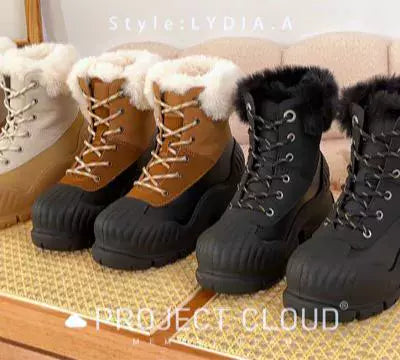
Snow Boots vs. Winter Boots: What Is the Difference and Do You Need Both?
Every winter, people buy “warm boots” and still end up with cold toes, damp socks, or that awkward shuffle across a slick parking lot. The issue is rarely effort. Most of the time, the boot simply does not match the conditions outside your door.
A snow boot and a winter boot solve different problems. They can overlap, but they are not interchangeable. Once you match the boot to your weather and routine, comfort becomes much easier to keep.

What Is a Snow Boot?
A snow boot is built for wet, messy winter. Think deep snow, slush, and repeated contact with meltwater. The goal is simple: keep warmth in and keep water out, even when the ground stays wet for hours.
The Conditions It Is Made For
A snow boot makes sense when winter regularly creates a wet surface layer. That includes slushy curb cuts, half-melted snowbanks, and sidewalks that stay damp long after the storm ends. If your daily walk includes stepping off a plowed path into pooled meltwater, a snow-focused build matters.
Features That Actually Matter
Snow boots vary, but a dependable pair usually shares the same core traits:
- Waterproof protection that can handle slush and shallow puddles without soaking through
- Insulation plus a warm lining so your toes stay comfortable during longer outdoor time
- A higher shaft that helps block snow from spilling over the collar
- A lugged outsole designed to grip uneven winter ground, not just look sporty
When a Snow Boot Feels Like the Only Smart Choice
A snow boot is the safer pick when you expect frequent slush contact, deeper snow on side streets, or long stretches outside. It is also a strong choice for errands that turn into slow waits, like school pickup, outdoor events, or long dog walks in wet snow.
What Is a Winter Boot?
A winter boot is the everyday cold-weather option. It is made for winter temperatures and typical winter surfaces, while still feeling natural indoors and easy to style for daily life.
The Conditions It Is Made For
Winter boots tend to fit best when the winter is cold, but your routes are mostly plowed and predictable. City sidewalks, quick commutes, and regular errands are the sweet spot. You still want warmth and traction, but you may not need the height and heavy waterproof armor of a snow boot.
What to Look for in a Daily Pair
A solid daily winter boot should feel closer to comfortable walking shoes than heavy outdoor gear. Instead of chasing a long feature list, focus on the comfort basics that affect every step:
- A supportive, cushioned feel underfoot for errands and longer walks
- A stable sole that feels secure on uneven sidewalks
- An upper that stays comfortable with thicker socks without pinching toes
Where Winter Boots Shine
Winter boots are the pair you grab when you want warmth without feeling overbuilt. They also tend to work better with daily outfits, especially casual denim and straight-leg pants. For style-focused options like women’s suede boots, winter boots can deliver a cozy look with a more streamlined shape, as long as you manage moisture and salt exposure.
The 3 Key Differences You Must Know
If you compare boots by labels alone, everything starts to sound the same. A better way is to compare outcomes. Focus on water handling, traction, and how the boot feels across a full day.

1. Water Management
A snow boot is designed for persistent wet conditions. That usually means a stronger waterproof approach and fewer weak points where meltwater can creep in during repeated exposure.
A winter boot may be waterproof, or it may be water-resistant. Water-resistant styles generally handle lighter, shorter exposure better than full slush days. If your winter involves lots of wet sidewalks, that distinction matters.
If suede boots are part of your rotation, moisture management becomes even more important. Suede can work in winter, but it needs protection and fast cleanup after salt and slush.
2. Traction and the Ice Reality Check
Many pairs are marketed as non-slip shoes, yet ice is a different level of risk. Even good tread can slide when the surface is truly icy, especially on smooth, refrozen patches.
The practical approach is layered. Choose a boot with a confident outsole for wet pavement and packed snow, then adjust your habits when sidewalks freeze. On truly icy days, traction add-ons that slip over your footwear can help you feel steadier.
3. Warmth and Bulk
Snow boots often carry more insulation and structure. That helps during long exposure, but it can feel heavy once you get indoors. Winter boots are usually easier for daily wear and quicker errands, but they may feel less protective if you spend a lot of time outside in deep cold.
Here is a simple comparison that tends to hold true:
| Feature | Snow Boot | Winter Boot |
| Best For | Deep snow, slush, wet ground | Cold, mostly plowed daily routes |
| Moisture Protection | Typically stronger waterproof protection | Waterproof or water resistant depending on style |
| Outsole Feel | More aggressive winter terrain grip | Balanced grip for everyday walking |
| Warmth Profile | Built for longer outdoor exposure | Built for daily routines |
| Indoor Comfort | Can feel bulky after you arrive | Usually easier to wear inside |
The Rise of the “Hybrid” Boot: Best of Both Worlds
Most people live in the middle. One day is slushy, the next day is dry and cold, and your schedule still includes indoor time. That is why the hybrid boot has become popular.
What “Hybrid” Really Means in Practice
A hybrid boot leans snow-ready where it counts, then borrows daily comfort and styling from winter boots. The best ones usually combine:
- Strong water protection for wet sidewalks and light slush
- A tread pattern that feels confident in mixed conditions
- Cushioning that supports long days, so it still feels like comfortable walking shoes
Why Suede Shows Up in Hybrid Styles
Suede gives winter outfits a softer, warmer look without feeling heavy. The tradeoff is upkeep. A simple routine usually keeps suede wearable through the season: protect it before the first wear, let it dry naturally if it gets wet, then brush it to restore texture. Salt marks are easier to handle early, so quick cleanup after slushy days makes a real difference.

Quick Decision Guide: Which One Should You Buy?
The easiest way to decide is to buy for your most common winter week, not the one extreme storm you remember from two years ago. Match your conditions to the boot that solves them.
A Fast Match Table
| Your Typical Winter Looks Like | Best Match | Why It Fits |
| Regular slush, wet sidewalks, deeper snow near curbs | Snow boot | Better wet protection and more winter terrain grip |
| Mostly cold and dry, plowed sidewalks, daily errands | Winter boot | Easier daily wear with warmth and comfort |
| Mixed weeks, unpredictable weather, lots of walking | Hybrid leaning winter-ready | Covers most days without feeling bulky |
| Frequent icy mornings | Any good boot plus traction add-ons | Ice needs an extra safety layer |
A Short Note on Suede and Slip Resistance
If you want suede boots can style easily, plan around your environment. Suede looks great in dry cold, but slush and salt call for protection and quick cleanup. For traction, treat “non-slip” as helpful, not magical. Tread matters, but ice still demands slower steps and, at times, added traction.
Get Winter Ready With the Right Boots
You do not need a closet full of options to feel prepared. One good pair that matches your real winter will handle most days with less stress. If your season is wet and messy, a snow boot earns its place. If your winter is mostly daily life with cold air and cleared sidewalks, a winter boot can cover you comfortably. When the weather changes its mind every week, a hybrid style can keep you warm, steady, and ready to walk without feeling overbuilt.
Related Posts

Clogs vs. Mules: What’s the Real Difference? (A Simple Guide & Comparison)
Mules have backless designs for fashion; clogs feature thick platform soles for support. Compare materials, comfort, and uses to pick the right shoe.
Clogs vs. Mules: What’s the Real Difference? (A Simple Guide & Comparison), Learn more
Lace-Up, Zipper, or Pull-On? Comparing Comfort, Speed, and Style
Compare boot closure types: lace-ups excel at adjustability for wide feet, zippers offer convenience, pull-ons provide speed but need precise sizing.
Lace-Up, Zipper, or Pull-On? Comparing Comfort, Speed, and Style, Learn more
Why Many Pregnant Women Need Bigger, Softer Shoes — And How to Choose Them
Relaxin hormone flattens arches, weight gain adds pressure, and 60% of women have permanently larger feet post-pregnancy. Shop for soft, supportive shoes.
Why Many Pregnant Women Need Bigger, Softer Shoes — And How to Choose Them, Learn more