

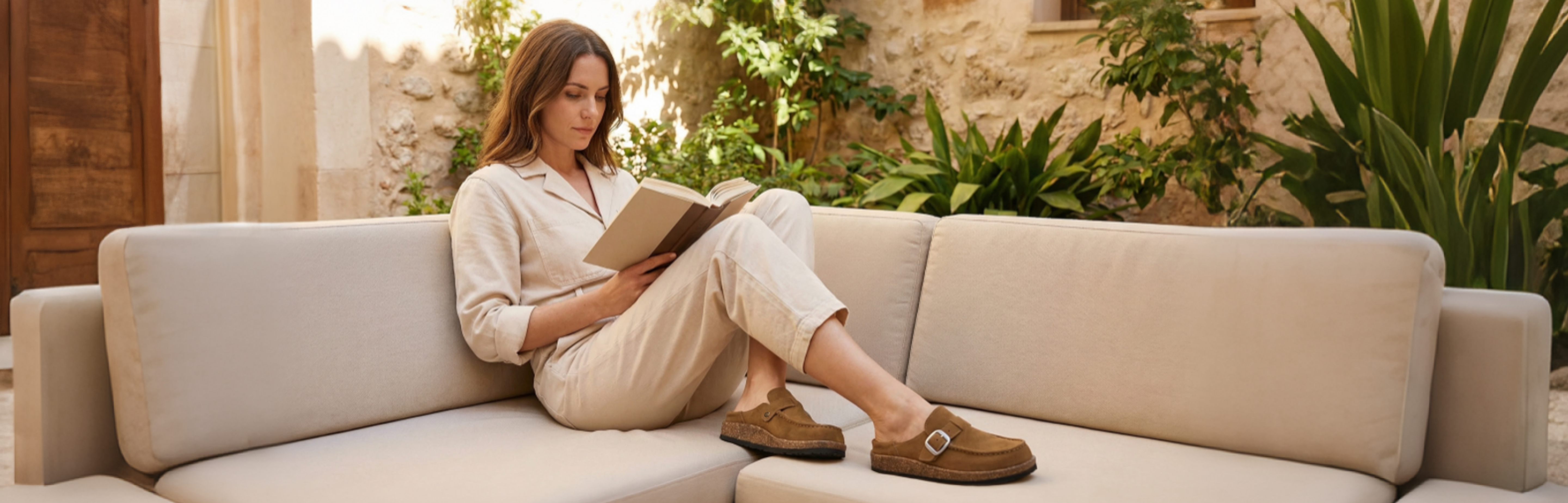
Clogs vs. Mules: What’s the Real Difference? (A Simple Guide & Comparison)
The main difference is simple. Mules are backless shoes defined by their upper style. Clogs are sturdy shoes defined by their thick platform sole. If you need fashion and ease, choose a mule. If you need support for standing all day, choose a clog. This guide explains the mechanics and uses of each style.

The Quick Verdict on Differences
You want a fast answer before reading the details. This comparison highlights the core distinctions based on design standards and general footwear categorization.
|
Feature |
Clog |
Mule |
|
Defining Trait |
Thick, rigid sole (Platform) |
Open back (Backless Upper) |
|
Heel Design |
Often has a low lip or cup |
Completely open and flat |
|
Primary Use |
Professional work, long standing |
Fashion, casual outings |
|
Fit Feel |
Loose but secure, roomy toes |
Snug upper, toes may be tight |
|
Weight |
Heavy and substantial |
Light and flexible |
What Exactly Is a Mule? (The Backless Rule)
Mules are defined almost entirely by their entry method. The design focuses on the upper part of the shoe and the lack of a back constraint.
The Open Back Requirement
A true mule is a shoe that has no back. You slide your foot in. Nothing holds the heel in place. The toes are usually covered. Open-toe variations exist in fashion. The primary goal is ease. The upper part covers the top of the foot to keep it secure while walking. This design allows for a sleek look. It works well in office settings or casual dinners.
Variations in Heel Height
Mules are versatile regarding height. They can be completely flat. They can feature a high stiletto heel. The sole is often flexible and thin compared to sturdy work footwear. Fashion mules prioritize aesthetics. You will find them made from delicate fabrics like velvet or satin. The versatility of the heel height makes the mule a broad category. It encompasses everything from bedroom slippers to evening wear.

What Exactly Is a Clog? (The Platform Origin)
While mules are about the upper, clogs are historically about the sole. The term comes from a history of heavy, protective footwear.
The Thick Platform Sole
A clog almost always features a thick, rigid sole. This was traditionally wood. Modern versions use rubber, cork, or heavy polyurethane. Platform clogs are a common variation where the entire sole is elevated. This thick bottom provides a barrier. It separates the foot from the ground. It offers shock absorption. The rigidity means the shoe does not flex much. This rocking motion is a signature of the clog experience.
The Spacious Toe Box
Comfort is the main priority in clog design. The top part of the shoe is usually rounded. It is bulbous. This shape allows the toes to spread out naturally. It is distinct from the often pointed toe of a mule. Many people choose comfortable clogs specifically for this roomy fit. The back of a clog can be open. However, it often has a low lip or a full heel counter. This keeps the foot steady on the heavy platform.
[[related_products_2]]
The Hybrid Confusion: Can a Shoe Be Both?
Designers often combine the sturdy sole of a clog with the open back of a mule. This intersection creates confusion for shoppers.
The Clog Mule Combination
Fashion evolves. Strict definitions blur. You will frequently see shoes labeled as women's clogs and mules. They share features of both categories. A shoe might have the wooden platform of a clog but the open back of a mule. It is technically a mule construction with a clog aesthetic. These hybrids are popular. They offer the height of a clog with the slip-on convenience of a mule.
Indoor Versus Outdoor Hybrids
This crossover is common in loungewear. Many slippers for women in home environments use a clog shape. They have a soft mule construction. They might have a rubber sole for quick trips outside. They feature a soft, backless upper for relaxation. These styles prioritize warmth over structural rigidity.
Material Matters: Suede & Memory Foam vs. Rubber
The materials used in construction play a massive role in comfort. The intended use of the shoe usually dictates the fabric choice.
Soft Suede And Memory Foam
Mules and hybrid clogs utilize softer materials. Suede uppers allow the shoe to mold to the foot. This is important for backless shoes. The fit must be snug to prevent slipping. Inside the shoe, memory foam footbeds are common. This addition makes comfortable clogs feel like walking on a cushion. Soft materials are ideal for casual wear where flexibility is needed.
Rigid Rubber And Leather
Traditional clogs favor durability. Thick leather uppers provide protection against spills. This is why culinary professionals favor them. The soles are often made of high-density rubber or polyurethane. These materials do not compress easily. They provide a stable base. This base supports the arch throughout the day. A suede mule might stain. A rubber clog can be wiped clean.
Practical Decision Checklist for Buyers
Use this checklist to decide which shoe matches your specific needs. This tool is based on standard fitting guidelines and material properties.
Step 1: Analyze Your Activity
- Stationary Standing: Choose platform clogs. The rigid sole reduces fatigue.
- Walking and Commuting: Choose a flat mule or a hybrid with a back strap. You need the shoe to stay on securely.
- Lounging at Home: Choose soft slippers for women in home settings. Look for fleece linings.
Step 2: Consider Your Foot Shape
- Wide Feet: Clogs are generally better. The wide toe box accommodates spreading.
- High Arches: Look for clogs with a defined shank. Mules are often too flat.
- Narrow Feet: Mules are often adjustable or cut narrower. They prevent the foot from sliding forward.

Step 3: Check the Safety Requirements
- Wet Floors: You need a rubber clog with a certified non-slip tread.
- Carpeted Offices: A fashion mule is safe and stylish.
- Uneven Terrain: Avoid high-heeled mules. A flat clog offers better stability.
Frequently Asked Questions About Clogs and Mules
Q1: Can I Wear Clogs Without Socks?
Yes, generally. Many users wear them comfortably without socks. This works best if the upper is lined with suede, leather, or shearling. Natural materials wick away moisture. They prevent friction against the skin. However, unlined rubber clogs can cause sweating. In that case, wearing socks is advisable to prevent slipping inside the shoe.
Q2: Are Clogs Good For Plantar Fasciitis?
Many users and general orthopedic design principles suggest they can be helpful. The rigid sole of a clog limits the flexing of the foot. This can reduce strain on the plantar fascia compared to a flexible sneaker. However, every foot is different. Some individuals may find the hardness uncomfortable. Note: This information is based on footwear design mechanics and is not medical advice. Consult a podiatrist for specific pain.
Q3: Do Backless Clogs Fall Off Easily?
No, provided they fit correctly. A properly designed backless clog has a deep heel cup. The vamp comes high up the top of the foot. This design holds the shoe to your foot using the natural arch. You should not have to grip with your toes to keep them on. If you do, the size is likely wrong.
Q4: Are Mules Considered Formal Footwear?
Yes, depending on the material. Heeled mules made from satin or patent leather are standard evening wear. They often feature embellishments like crystals or bows. Flat mules are generally casual. However, a sleek black leather pair works in business casual environments.
Mules Are for the Look; Clogs Are for the Lifestyle
Choosing between a mule and a clog depends on your daily routine. Mules offer effortless style for social events. Clogs provide the heavy-duty support required for long work shifts. Use the checklist above to assess your needs. Your feet deserve the right tool for the job.
Related Posts

Why Memory Foam Clogs Are a Game-Changer for Plantar Fasciitis Relief
Soft shoes can make plantar fasciitis worse. Memory foam clogs with deep heel cups, rigid soles, and arch support offer real mechanical relief for heel pain
Why Memory Foam Clogs Are a Game-Changer for Plantar Fasciitis Relief, Learn more
What to Wear With Clogs: 5 Looks You Can Copy Today (2026 Style Guide)
Master clog styling in 2026 with 5 outfit formulas — from smart office looks to cozy date nights — plus suede vs. leather tips for every season.
What to Wear With Clogs: 5 Looks You Can Copy Today (2026 Style Guide), Learn more
Lace-Up, Zipper, or Pull-On? Comparing Comfort, Speed, and Style
Compare boot closure types: lace-ups excel at adjustability for wide feet, zippers offer convenience, pull-ons provide speed but need precise sizing.
Lace-Up, Zipper, or Pull-On? Comparing Comfort, Speed, and Style, Learn more