

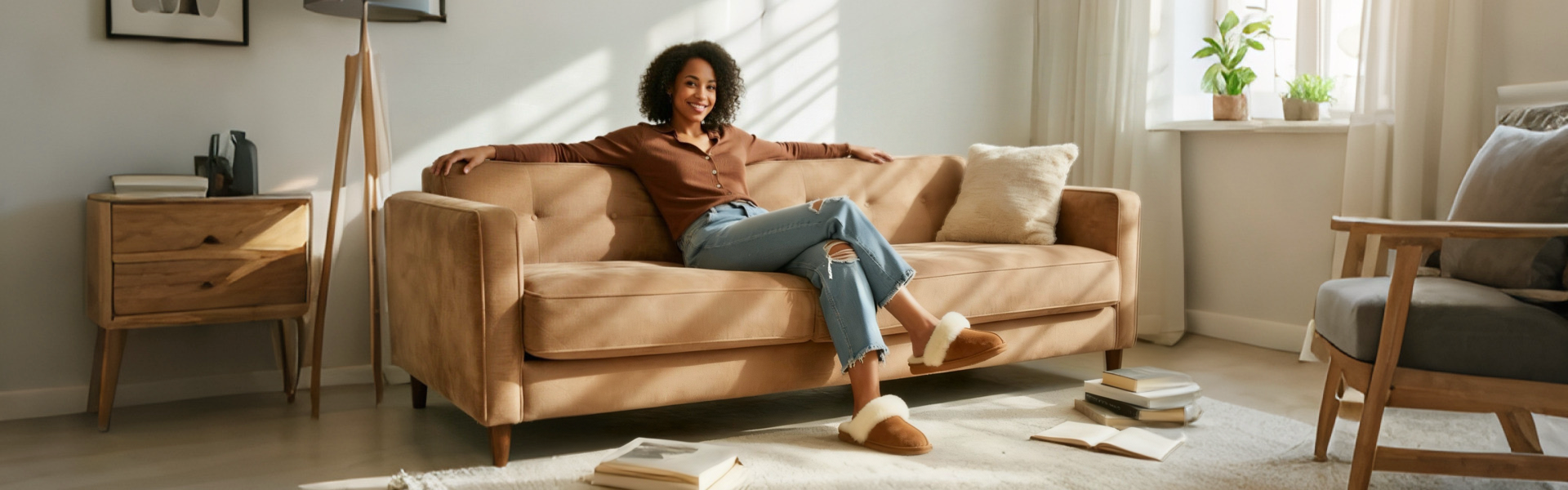
Don't Ruin Your Suede! The Right Way to Clean Shoes & Mistakes to Avoid
From casual sneakers to polished loafers, suede shoes provide a hint of softness and opulence to any ensemble. Even so, they spend a lot of time in the closet and not on our feet. We all worry that one wrong step into a puddle or scuff mark will end everything. It doesn’t have to be that way. The key to successfully cleaning suede is not some magic formula, but rather the correct equipment and some common sense.
Why Suede Is So Tricky to Clean
The reason suede is so different from regular leather comes down to one thing: texture. Suede is made from the underside of the animal hide, leaving it with a surface full of tiny, raised fibers called a “nap.” The best way to picture it is as a very fine velvet or carpet. This napped surface gives suede its signature softness, but it’s also what makes it a magnet for dirt and moisture. Spills don't just sit on top; they sink right in. Using the wrong method can crush these fibers, leaving a flat, shiny, or discolored spot that’s impossible to fix.
Your Suede Cleaning Toolkit
Before you tackle any dust or dirt, assembling the correct toolkit is the most critical step. Having these items on hand will prepare you for everything from routine upkeep to emergency stain removal. Remember, the goal is to be effective yet gentle.
- A Suede Brush: This is your most important tool. A quality brush typically has two sides: one with soft bristles for general cleaning and lifting the nap, and another with firmer rubber or crepe nubs designed to work out tougher scuffs without damaging the fibers.
- A Suede Eraser: For targeted treatment of dry marks, scuffs, and small blemishes, a suede eraser works wonders. In a pinch, a clean, white pencil eraser can also be effective, but be sure it’s free of any graphite residue.
- A Clean, Dry Cloth: A microfiber cloth is ideal for blotting and applying cleaning solutions sparingly. It's highly absorbent and won't leave behind lint.
- White Vinegar or Rubbing Alcohol: These are your secret weapons against tougher stains, including water marks. Their properties help break down stains without the harsh effects of soap or detergents.
- A Protective Spray: Prevention is the best cure. A good suede protector spray creates an invisible barrier that repels water and helps prevent stains from setting in the first place, keeps shoes waterproof and stain-resistant even in rain.
How to Clean Suede Shoes Step by Step
This process will walk you through everything from a general clean-up to handling specific stains. The most important thing to remember is to be gentle.
Step 1: The Foundation – Start with a Dry Shoe
Whatever you do, never try to clean wet suede. That’s a fast track to turning a small spot into a permanent stain by pushing dirt deeper into the fibers. If your shoes get caught in the rain, your first job is to let them dry properly. Stuff them with paper towels or shoe trees to absorb moisture and help them keep their shape.
The biggest mistake you can make right out of the gate is trying to rush the drying process with a hairdryer or by setting them near a heater. Direct heat essentially cooks the leather, leaving it stiff, brittle, and often discolored. Just place them in a spot with good air circulation and give them time—even if it takes a full day.
Step 2: Erase Dust and Surface Grime
Once your shoes are dry, it’s time for a general clean-up. Grab your suede brush and use the soft bristle side to gently sweep the entire surface. It helps to brush in one consistent direction, as this lifts away loose dirt and dust while reviving the material's natural nap.
The key word here is brushing, not scrubbing. It's easy to want to apply heavy pressure on a visible spot, but aggressive scrubbing will crush those delicate suede fibers, leaving behind a permanent shiny, flat patch. Think of this step as gently coaxing the dirt out and waking up the texture, not grinding it into submission.
Step 3: Target the Tough Spots
For those common light scuffs and dry marks, your suede eraser is your best friend. Use it just as you would a pencil eraser, rubbing gently over the mark. The friction helps lift the blemish out of the fibers. Brush away any eraser residue when you're done.
But what about more stubborn stains, like an old water spot or a patch of grime? This is the moment where many suede-cleaning attempts go wrong. The instinct is often to reach for soap and water, but that can be a fatal blow. Water itself creates its own stains on suede, and standard soaps or cleaners contain harsh detergents and oils that will strip color and ruin the texture.
Instead, your secret weapon is a clean microfiber cloth lightly dampened with a bit of white vinegar or rubbing alcohol. These evaporate quickly without leaving a mark. Just dab the stained area gently—don't rub or soak it. The goal is to moisten the stain just enough for it to break down and lift away.
Step 4: The Final Flourish – Revive and Protect
After any spot treatments have completely dried, give the entire shoe one last, gentle brush-over. This will help restore a consistent color and a uniform, velvety texture across the entire surface.
And now for the crucial final step: protection. Think of this as insurance for all your hard work. Apply a light, even coat of a suede protector spray, holding the can about six inches away as you mist the surface. It’s always a great idea to protect new shoes before you even wear them out. For items you wear often, like a favorite pair of women's shoes or sneakers, re-applying the spray every few months will keep them looking great for much longer.
Quick Answers to Common Suede Problems (FAQ)
Q1: Can I Use Baking Soda On Suede?
You bet. Baking soda (or cornstarch) is your best friend for fresh oil stains. It works by absorbing the oil. Just sprinkle a generous amount over the spot, let it sit for a few hours, and then brush it off.
Q2: What If The Suede Looks Flat Or Matted After Cleaning?
This happens when the fibers get crushed. You can usually fix it by using your suede brush more vigorously, brushing the spot in multiple directions to "fluff" the fibers back up. For a really stubborn flat spot, you can hold the shoe about a foot away from the steam of a kettle for a few seconds to loosen the fibers, then immediately brush them.
Q3: What's The Best Way To Remove An Old Oil Stain?
It's much harder to get rid of old, set-in oil spots. The baking soda trick might still work, but you might need to get a special cleaner for leather. Follow the product's directions and test it in a hidden area first if you decide to go this way.
Q4: Is It Ever Okay To Put Suede Shoes In The Washing Machine?
In a word, no. The combination of total water saturation, harsh detergent, and the tumbling action of a machine will destroy suede shoes. They'll come out discolored, stiff, misshapen, and potentially in pieces. Just don’t do it.
Wear Your Suede with Confidence
It doesn't have to be stressful to take care of suede. You can succeed by knowing its fragile nature and using the proper procedures while avoiding heat, water, and severe scrubbing. You can easily care for and fix up your best suede shoes with a few simple tools and some time. This will make sure they stay stylish and expensive in your closet for years to come.
Artículos Relacionados

Why Memory Foam Clogs Are a Game-Changer for Plantar Fasciitis Relief
Soft shoes can make plantar fasciitis worse. Memory foam clogs with deep heel cups, rigid soles, and arch support offer real mechanical relief for heel pain
Why Memory Foam Clogs Are a Game-Changer for Plantar Fasciitis Relief, Aprende más
What to Wear With Clogs: 5 Looks You Can Copy Today (2026 Style Guide)
Master clog styling in 2026 with 5 outfit formulas — from smart office looks to cozy date nights — plus suede vs. leather tips for every season.
What to Wear With Clogs: 5 Looks You Can Copy Today (2026 Style Guide), Aprende más
Clogs vs. Mules: What’s the Real Difference? (A Simple Guide & Comparison)
Mules have backless designs for fashion; clogs feature thick platform soles for support. Compare materials, comfort, and uses to pick the right shoe.
Clogs vs. Mules: What’s the Real Difference? (A Simple Guide & Comparison), Aprende más